Understanding IAI Rent Increases After HSTPA
What changed for Individual Apartment Improvements under the 2019 reforms — caps, the 15-year recovery clock, documentation, and how to calculate the increase correctly.
What changed with HSTPA
The Housing Stability and Tenant Protection Act (HSTPA) of 2019 fundamentally reshaped how property owners in New York can increase rents through Individual Apartment Improvements (IAIs). These changes were significant — and catching up on the rules is essential for protecting your investment.
Before HSTPA, IAIs were one of the primary tools owners used to recover renovation costs and adjust rents in rent-stabilized units. The new law introduced strict caps, documentation requirements, and limitations that every property owner must understand.
What is an IAI?
An Individual Apartment Improvement (IAI) is a renovation or upgrade made to a rent-stabilized apartment that can justify a rent increase. Under pre-2019 rules, owners could recover improvement costs through rent increases over time — but HSTPA dramatically restricted this mechanism.
IAIs typically include:
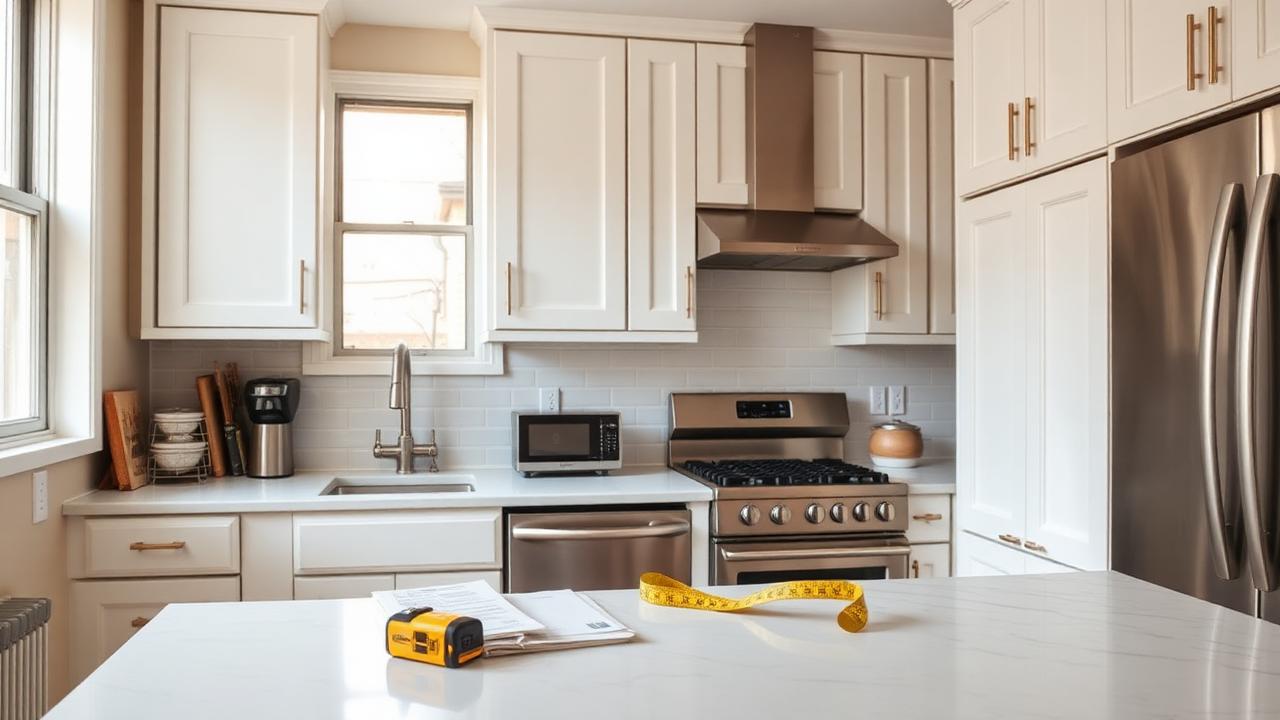
- Kitchen renovations (cabinets, appliances, countertops)
- Bathroom upgrades (fixtures, tile, vanities)
- Flooring replacement
- Window and door replacements
- Electrical and plumbing upgrades
- HVAC installations
Key changes under HSTPA
The 2019 law introduced several critical limitations property owners must navigate:
| Change | Impact on property owners |
|---|---|
| Rent Increase Caps | Maximum 1/168th of improvement cost per month for buildings under 35 units; 1/180th for 35+ units |
| 15-Year Recovery Period | Rent increases from IAIs can only be collected for 15 years (previously unlimited) |
| Documentation Requirements | Strict record-keeping required, including invoices, photos, and tenant notices |
| Tenant Consent | Tenant must receive advance notice and opportunity to challenge improvements |
| DHCR Oversight | All IAI claims subject to DHCR review and potential tenant challenges |
How IAI rent increases are calculated
Understanding the math is critical. Here's a simplified overview of how the calculation works.
Example: you spend $15,000 on kitchen and bathroom renovations in a rent-stabilized apartment in a building with 20 units. Under HSTPA rules for buildings under 35 units:
- Monthly rent increase = $15,000 ÷ 168 = approximately $89.29 / month
- Annual rent increase = $89.29 × 12 = approximately $1,071 / year
- Total recoverable over 15 years = approximately $16,071
- After 15 years: the rent increase from the IAI must be removed from the legal rent
These calculations are subject to DHCR approval and require extensive documentation. Errors can result in rent rollbacks, tenant challenges, and legal complications.
Documentation requirements
To claim an IAI rent increase, you must maintain detailed records, including:
- Itemized invoices from licensed contractors
- Proof of payment (cancelled checks, credit card statements)
- Before-and-after photographs of improvements
- Building permits (where required)
- Tenant notification forms (DHCR-required notices)
- Certification that improvements qualify under DHCR guidelines
Warning: failure to maintain proper documentation can result in DHCR denying your IAI claim and ordering rent rollbacks with interest penalties.
Why navigating IAI claims is challenging
Many property owners attempt to manage IAI claims themselves, only to encounter significant obstacles:
- Frequent regulatory changes and DHCR policy interpretations
- Complex interplay between IAIs, MCIs, and other rent increase mechanisms
- Strict deadlines for filing and tenant notification
- High burden of proof on property owners in tenant challenges
- Risk of overcharging claims leading to treble damages
- Ongoing compliance monitoring requirements
The cost of IAI mistakes
Improperly calculated or documented IAI rent increases can result in serious financial consequences:
| Consequence | Financial impact |
|---|---|
| Rent Rollbacks | Must refund overcharges to tenants with interest |
| Treble Damages | Willful overcharges may result in triple damages |
| Legal Fees | Defending against tenant challenges is costly |
| Lost Investment | Cannot recover improvement costs as planned |
How we help property owners navigate IAIs
Our team specializes in guiding property owners through the complex IAI process. We provide:
| Our service | What you get |
|---|---|
| IAI Eligibility Assessment | Determine if your improvements qualify for rent increases |
| Documentation Review | Ensure all required records meet DHCR standards |
| Rent Calculation Services | Accurate calculations that maximize your recovery |
| Filing Support | Complete DHCR filing preparation and submission |
| Ongoing Compliance Monitoring | Track your 15-year recovery period and maintain records |
Don't navigate complex IAI regulations alone. Our experts ensure your improvements are properly documented, calculated, and filed so you can recover your investment without risk.
Need help with this in your portfolio?
We handle the registrations, audits, and documentation work end-to-end.
Schedule a consultation